
Your tongue is more than just a tool for taste—it’s a mirror of your internal health. While many people overlook it, changes in the tongue’s color, texture, shape, or coating can reveal important clues about nutritional status, hydration, infections, and even chronic disease (Nazir & Almas, 2014).
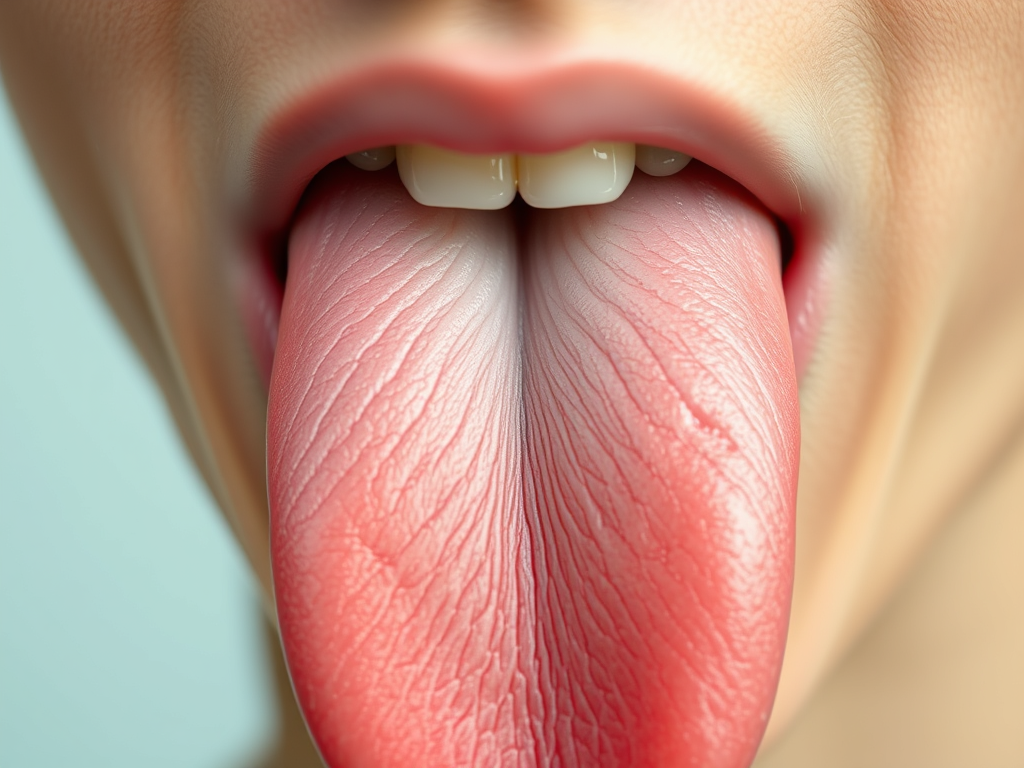
1. Color: A Window Into Circulation and Organ Function
- Healthy Tongue: Typically pink with a light white coating—an indicator of good hydration and overall wellness (Jeong et al., 2016).
- Red Tongue: Could signal fever, inflammation, or vitamin B deficiencies, particularly B12 (Porter et al., 2003).
- Pale Tongue: Often linked to anemia or nutritional deficiencies like iron or folate (Nazir & Almas, 2014).
- Purple or Bluish Tongue: May indicate poor blood oxygenation or cardiovascular issues.
- Yellowish Tongue: Can result from bacterial buildup or liver and gallbladder issues (Chen et al., 2012).
2. Coating: Telling Clues From the Tongue’s Surface
- Thin White Coating: Normal and healthy.
- Thick White Coating: May suggest oral candidiasis (thrush) or digestive dysfunction (Jeong et al., 2016).
- Yellow Coating: Often associated with bacterial overgrowth or systemic inflammation.
- No Coating: A peeled or glossy tongue may reflect nutrient deficiencies or immune suppression (Porter et al., 2003).
3. Texture and Shape: Revealing Stress and Nutritional Status
- Scalloped Edges: Indentations along the side (often called “tooth marks”) can result from stress-related bruxism or poor digestion (Nazir & Almas, 2014).
- Smooth, Glossy Tongue: May be a sign of iron or B-vitamin deficiencies, especially B12 (Porter et al., 2003).
- Cracks/Fissures: Can be congenital but may also reflect chronic dehydration or Sjögren’s syndrome.
- Dry Tongue: Often indicates dehydration or may be seen during febrile illnesses.
4. Other Warning Signs
- White Patches: Persistent patches may suggest leukoplakia, a precancerous condition that requires medical evaluation (Warnakulasuriya et al., 2007).
- Burning Sensation: Known as burning mouth syndrome; associated with hormonal changes, nutritional deficits, or nerve damage.
- Black or Hairy Tongue: Usually harmless but caused by bacterial or fungal buildup, poor hygiene, or smoking (Jeong et al., 2016).
When to Seek Medical Attention
Most tongue changes are benign or temporary. However, if you notice:
- Persistent discoloration
- Unusual patches or growths
- Pain or burning sensations
- Difficulty moving or swallowing
…consult a healthcare professional. These signs may indicate a systemic issue that requires further investigation.
Conclusion
Your tongue can reflect both minor imbalances and more serious health concerns. Regular self-inspection—especially in natural light before eating or brushing—can help you stay aware of your body’s signals. While tongue analysis is not a diagnostic tool on its own, it’s a valuable prompt to seek further evaluation when something seems off.
References and Further Reading
- Chen, H., Zhang, X., & Li, G. (2012). The tongue coating microbiome and the diagnosis of disease. Journal of Oral Microbiology, 4(1), 19270. https://doi.org/10.3402/jom.v4i0.19270
- Jeong, M. K., Lee, J. H., & Kim, J. H. (2016). Diagnostic value of tongue inspection in Traditional Korean Medicine. Integrative Medicine Research, 5(2), 127–135. https://doi.org/10.1016/j.imr.2016.03.002
- Nazir, M. A., & Almas, K. (2014). Oral manifestations of systemic diseases: A review for practicing dentists. Pakistan Oral & Dental Journal, 34(3), 486–491.
- Porter, S. R., Scully, C., & Flint, S. (2003). An update of the etiology and management of glossitis. Critical Reviews in Oral Biology & Medicine, 14(4), 293–303. https://doi.org/10.1177/154411130301400405
- Warnakulasuriya, S., Johnson, N. W., & Van der Waal, I. (2007). Nomenclature and classification of potentially malignant disorders of the oral mucosa. Journal of Oral Pathology & Medic
Disclosure: As an Amazon Associate, I earn from qualifying purchases. This means I may earn a small commission if you purchase through the links in this post, at no extra cost to you.
