
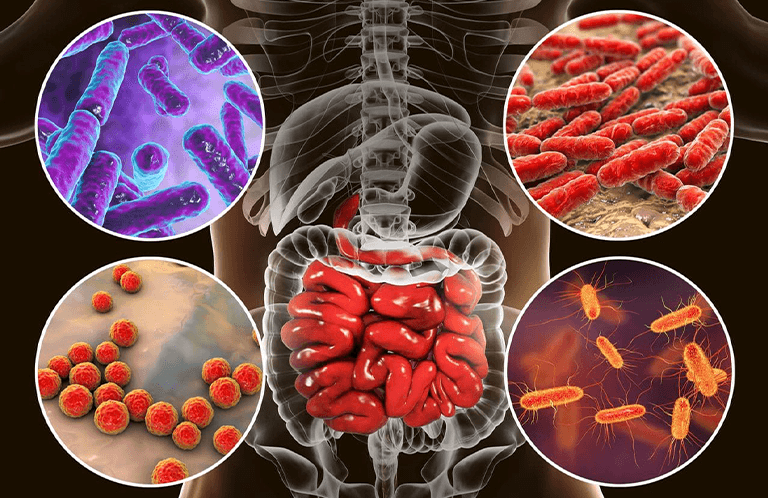
The gut microbiome, a complex community of trillions of microorganisms living in our digestive tract, plays a crucial role in our overall health. Emerging research highlights its significance beyond digestion, influencing everything from mental health to immune function. Here’s a closer look at the gut microbiome and its impact on our well-being.
Understanding the Gut Microbiome
- What is the Gut Microbiome?
The gut microbiome consists of billions of bacteria, viruses, fungi, and other microbes. Each individual has a unique composition shaped by factors like diet, lifestyle, environment, and genetics. A diverse microbiome is generally associated with better health outcomes (Cryan & O’Mahony, 2011). - The Role of Digestion
The gut microbiome aids in the breakdown of complex carbohydrates and fibers, transforming them into short-chain fatty acids that nourish our cells and support metabolic health (Slavin, 2013). A well-functioning microbiome ensures efficient nutrient absorption and digestion. - Impact on Mental Health
Research has unveiled a fascinating connection between the gut and the brain, known as the gut-brain axis (Foster & Neufeld, 2013). Gut bacteria can produce neurotransmitters and other compounds that influence mood and emotional well-being. A healthy gut microbiome may contribute to reduced anxiety and depression symptoms. - Immune System Support
Around 70% of our immune system resides in the gut. The microbiome helps train the immune system to differentiate between harmful invaders and benign substances (Belkaid & Hand, 2014). A balanced microbiome can enhance immune responses and reduce inflammation. - Influencing Weight Management
Studies suggest that the composition of the gut microbiome can impact weight regulation (Schwiertz et al., 2010). Certain microbial populations may promote fat storage or influence appetite, highlighting the potential for microbiome-targeted strategies in weight management. - Promoting Gut Health
To maintain a healthy gut microbiome, incorporate a diet rich in fiber, fruits, vegetables, and fermented foods. Probiotics, found in yogurt and fermented products, can introduce beneficial bacteria, fostering a diverse microbiome.
Conclusion
The gut microbiome is a critical player in our health, affecting digestion, mental well-being, immunity, and weight management. By nurturing this invisible ally through diet and lifestyle choices, we can promote a balanced microbiome and enhance overall health. Embrace the power of your gut microbiome and discover its transformative potential!

References
- Belkaid, Y., & Hand, T. (2014). Role of the microbiota in immunity and inflammation. Immunity, 40(6), 835-846. https://doi.org/10.1016/j.immuni.2014.06.020 ↗
- Cryan, J. F., & O’Mahony, S. M. (2011). The microbiome-gut-brain axis: A new area of focus for the mental health community. Journal of Psychiatric Research, 45(12), 1136-1144. https://doi.org/10.1016/j.jpsychires.2011.06.009 ↗
- Foster, J. A., & Neufeld, K. A. M. (2013). Mind–gut microbiota axis: A mini-review. How gut microbes influence mood and behaviour. Brain, Behavior, and Immunity, 33, 555-561. https://doi.org/10.1016/j.bbi.2013.08.014 ↗
- NIH Human Microbiome Project. (2020). A comprehensive overview of the human microbiome and its implications for health. NIH.gov.
- Schwiertz, A., Gruhl, B., et al. (2010). Microbiota and SCFA in lean and overweight subjects. Obesity, 18, 190-195. https://doi.org/10.1038/oby.2009.111 ↗
- Slavin, J. (2013). Fiber and prebiotics: Mechanisms and health benefits. Nutrients, 5(4), 1417-1435. https://doi.org/10.3390/nu5041417

Please feel free to leave your thoughts here