
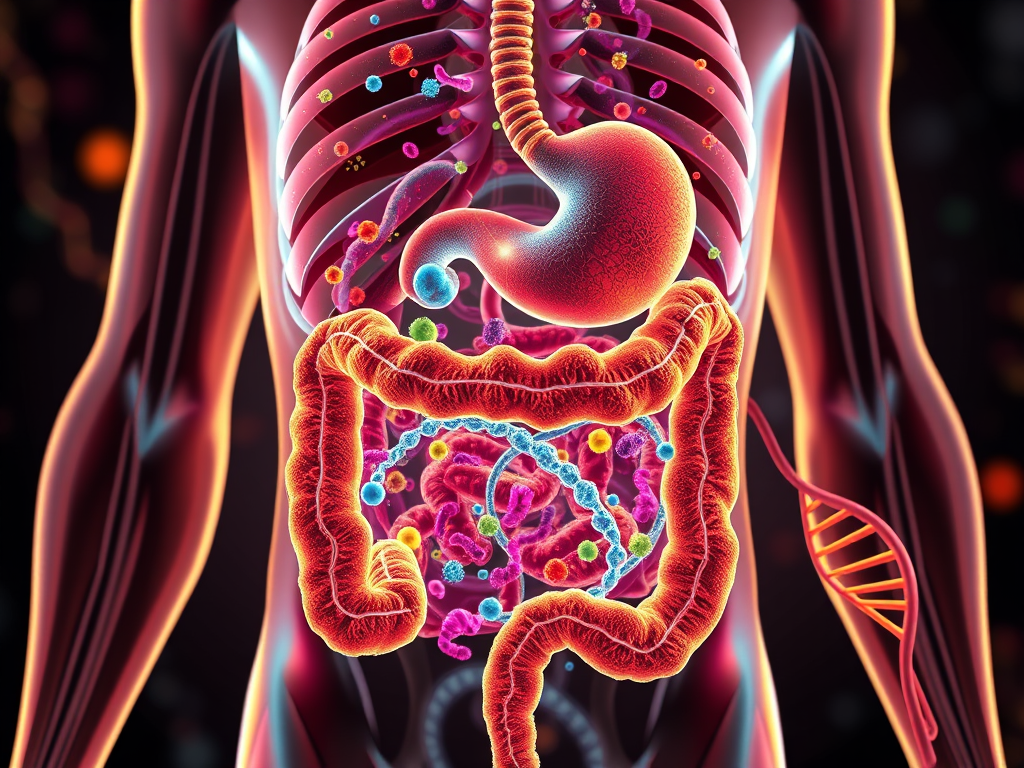
The Role of the Gut Microbiome in Gene Regulation
The gut microbiome, a complex ecosystem of trillions of microorganisms residing in the gastrointestinal tract, plays a pivotal role in human health. Emerging research has highlighted how these microbes can influence gene expression, particularly in individuals predisposed to certain health conditions. This article explores the mechanisms through which the gut microbiome interacts with our genes, the implications for various diseases, and real-life examples that demonstrate its impact.
The gut microbiome consists of various bacteria, archaea, viruses, fungi, and other microorganisms. Its composition is influenced by factors such as diet, age, environment, and genetics. Approximately 100 trillion microbial cells inhabit the human gut, outnumbering human cells ten to one. This diverse microbial community participates in numerous physiological processes, including digestion, metabolism, immune function, and even brain activity (Cani & Everard, 2016).
Gene Regulation by Gut Microbiota
- Metabolite Production: Gut microbes produce various metabolites, such as short-chain fatty acids (SCFAs), bile acids, and neurotransmitters. These metabolites can influence gene expression by activating specific signaling pathways. For instance, SCFAs like butyrate can enhance the expression of genes involved in anti-inflammatory processes and protect against colorectal cancer (Blumberg & A. C., 2020).
- Epigenetic Modifications: The microbiome can induce epigenetic changes, which are heritable alterations that do not change the DNA sequence but can turn genes on or off. These modifications, including DNA methylation and histone acetylation, can influence gene activity (Sato & Clevers, 2013). Gut bacteria metabolites can modify these epigenetic marks, affecting gene expression related to metabolism, inflammation, and immune responses
- Immune System Modulation: The gut microbiome plays a critical role in shaping the immune system, which, in turn, can impact gene expression. A well-balanced microbiome can promote a healthy immune response, while dysbiosis (an imbalance in microbial populations) can trigger inflammation and activate genes associated with various diseases, such as autoimmune disorders (Friedman & A. C., 2014).
Activation of Disease-Related Genes
Research has identified specific ways in which the gut microbiome can activate genes related to particular health conditions:
- Obesity: Studies show that certain gut microbiota compositions can influence metabolic pathways associated with obesity. For example, individuals with a higher abundance of Firmicutes compared to Bacteroidetes have been linked to obesity (Cani & Everard, 2016). A real-life example is the Finnish health project, which found that a specific microbial profile in pre-obese children predicted their future risk of obesity, highlighting the microbiome’s role in weight regulation (Ridaura et al., 2013).
- Diabetes: The microbiome can influence insulin sensitivity and glucose metabolism. Certain gut microbes may promote an inflammatory response that disrupts insulin signaling pathways, activating genes associated with type 2 diabetes risk (Carroll & Ringel, 2012). For instance, a study examining individuals with type 2 diabetes revealed a unique gut microbial signature that correlated with metabolic dysfunction, suggesting targeted treatments aimed at microbiome modulation could be beneficial (Xu et al., 2014).
- Mental Health Disorders: Gut bacteria can also influence the expression of genes related to neurotransmitter synthesis and regulation. The microbiome-gut-brain axis suggests that imbalances in gut flora can affect mood and behavior, leading to conditions like depression and anxiety. For instance, the presence of certain Lactobacillus species has been linked to the production of serotonin, a neurotransmitter associated with mood regulation (Blumberg & A. C., 2020). One compelling example is a clinical study where participants who consumed probiotics reported reduced symptoms of anxiety and depression, demonstrating the potential of gut health in mental well-being (Mafuleka et al., 2020).
- Cancer: The gut microbiome can activate oncogenes through inflammatory responses and metabolic byproducts. Certain bacteria can produce carcinogenic compounds that may modify gene expression in colorectal tissues, increasing cancer risk (Sato & Clevers, 2013). The role of the microbiome in colorectal cancer risk is illustrated by studies showing that patients with specific gut microbial profiles are at a significantly higher risk for developing polyps and tumors (Zeller et al., 2014).
Implications for Health and Disease
Understanding how the gut microbiome regulates gene expression opens new avenues for prevention and treatment strategies. Personalized interventions, including diet modifications and probiotics, could potentially rebalance the microbiome to mitigate disease risk. Furthermore, targeting specific microbial pathways may provide therapeutic options for conditions like obesity, diabetes, and depression.
Conclusion
The gut microbiome significantly influences gene expression and plays a decisive role in health and disease states. Understanding these interactions offers insights into the underlying mechanisms of diseases and may guide future therapeutic approaches. More research is needed to unravel the complexities of these relationships and identify targeted interventions that can optimize microbiome health for better disease management.
References
Blumberg, R. S., & A. C. (2020). The role of the gut microbiome in metabolism. Nature Reviews Gastroenterology & Hepatology, 17(4), 237-249.
Cani, P. D., & Everard, A. (2016). Talking microbes: When gut bacteria help the host recover from obesity. Nature Reviews Gastroenterology & Hepatology, 13(11), 671-683.
Carroll, I. M., & Ringel, Y. (2012). The gut microbiota in health and disease. Current Gastroenterology Reports, 14(6), 484-491.
Friedman, J. E., & A. C. (2014). Gut microbiota: A key player in host physiology. Cell Metabolism, 20(4), 655-670.
Mafuleka, R., et al. (2020). Probiotics in the management of depressive disorders: A systematic review. Complementary Therapies in Medicine, 49, 102342.
Ridaura, V. K., et al. (2013). Gut microbiota from twins discordant for obesity modulate metabolism in mice. Science, 341(6150), 1241214.
Sato, T., & Clevers, H. (2013). Primary mouse small intestinal epithelial cell cultures. Nature Protocols, 8(1), 189-198.
Xu, J., et al. (2014). Microbiome and diabetes: A potential target for diabetes management. Diabetes Care, 37(5), 1270-1280.
Zeller, G., et al. (2014). Potential of fecal microbiota for early detection of colorectal cancer. Foundations of Clinical Research, 14(5), 1129-1136.

Please feel free to leave your thoughts here