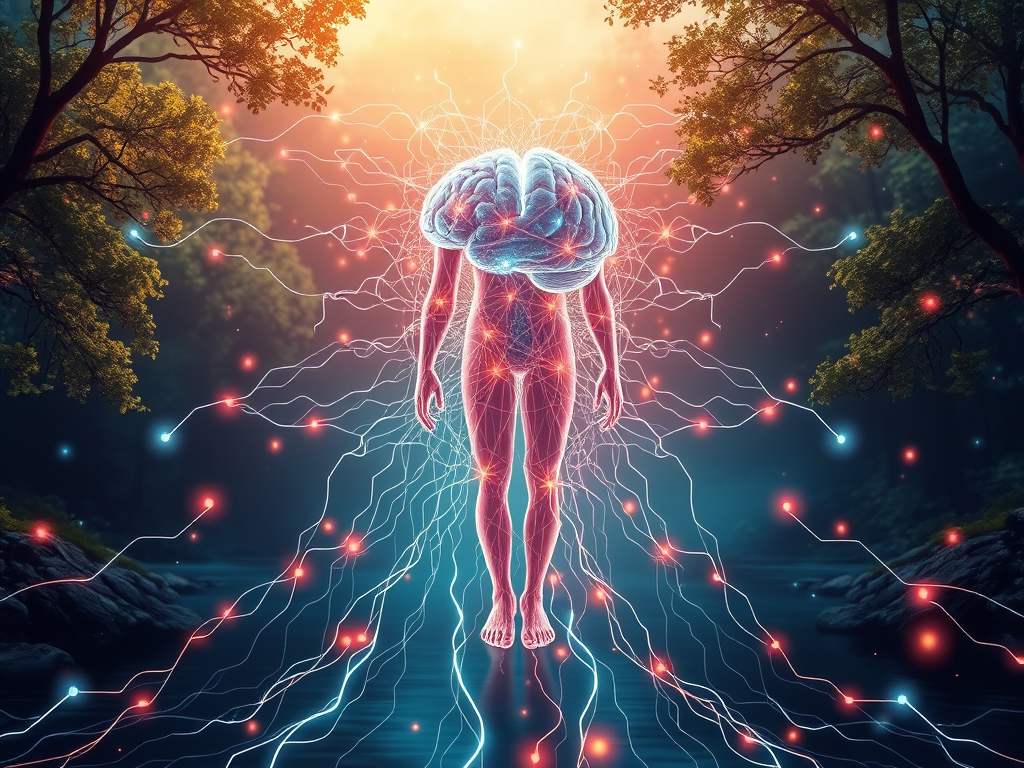
In today’s fast-paced world, achieving holistic health is more important than ever. Fundamental to this pursuit is the concept of the mind-body connection, a principle that emphasizes the profound impact our mental states have on our physical well-being. Both modern science and ancient wisdom recognize this powerful link, suggesting that true wellness involves nurturing both the mind and the body (Brower, 2006).
What is the Mind-Body Connection?
The mind-body connection refers to the complex relationship between our thoughts, emotions, and physical health. It asserts that our mental states can influence our physical condition, either prompting health or contributing to illness. For instance, chronic stress can weaken the immune system, while positive emotions can enhance it.
Scientific Insights
Recent research has shed light on the physiological effects of our mental states. Studies have shown that stress, anxiety, and negative emotions can lead to increased inflammation and a higher risk of chronic disease. This persistent inflammation is linked to a range of chronic diseases, including cardiovascular disease, diabetes, and autoimmune disorders (Chaudhary et al., 2023). There are some practical applications that can be applied to reduce these risks:
Practical Applications
Enhancing the mind-body connection doesn’t require drastic changes; simple lifestyle adjustments can make a significant difference. Here are a few practical ways to nurture this connection:
1) Physical Activity: Exercise is a powerful tool that extends beyond physical fitness, offering significant benefits for both disease prevention and mental health. Studies have shown that regular physical activity can reduce tumor growth by up to 60% and improve longevity. Additionally, exercise serves as a promising intervention for mood disorders like major depressive disorders and bipolar disorder (Wang, & Ashokan, 2021).
Examples of some exercises that benefit both physical and mental health
Walking: A simple and effective way to improve cardiovascular health and boost mood. A brisk twenty-minute walk has been shown to significantly reduce anxiety.
Running: Enhances cardiovascular fitness and releases endorphins, which can improve mood and reduce stress.
Cycling: Offers a low-impact workout that strengthens the heart and lungs while reducing anxiety.
2) Balanced Diet: Maintain a nutrient-rich diet to support both mental and physical health. Foods rich in omega-3 fatty acids, antioxidants, and vitamins can enhance brain function and mood.
Maintaining personal health significantly depends on a balanced diet, which should include a variety of plant-based and animal-based foods to supply essential nutrients. These nutrients provide energy, support bodily functions, and help build and maintain bones, muscles, and tendons.
Nutrients are categorized into macronutrients, needed in large amounts, and micronutrients, required in smaller quantities. Dietary fiber, a type of carbohydrate, is essential for digestion and overall health. Additionally, micronutrients such as antioxidants and phytochemicals may protect and support body systems, though their roles are not as clearly established as vitamins (Sarwar et al., 2015).
Some examples of diets that are popular for their health benefits
Mediterranean Diet: Emphasizes fruits, vegetables, whole grains, legumes, nuts, olive oil, fish and poultry.
Plant-Based Diet: Prioritizes food derived from plants, including vegetables, fruits, grains, nuts, and seeds.
Flexitarian Diet: Primarily vegetarian with occasional inclusion of fish or meat.
Nordic Diet: Similar to the Mediterranean diet but based on foods traditionally consumed in Nordic countries.
DASH Diet: Focuses on reducing sodium intake to manage blood pressure. Rich in fruits, vegetables, whole grains, and lean proteins.
Each of these diets provides a foundation for balancing eating, emphasizing whole foods, different nutrients, and healthy fats while minimizing processed foods and added sugars. They can be adjusted to individual preferences and nutritional needs.
Ultimately, the best diet is one that not only nourishes your body but also fits seamlessly into your lifestyle, allowing you to thrive both physically and mentally. If you have found a specific diet and exercise combination that works well for you, that’s fantastic! Sharing your experiences might inspire others to discover what suits their lifestyles and health goals.
References
Wang, Y., & Ashokan, K. (2021). Physical exercise: An overview of benefits from psychological level to genetics and beyond. Frontiers in Physiology, 12. https://doi.org/10.3389/fphys.2021.731858
Sarwar, M. H., Sarwar, M.F., Khalid, M. T., & Sarwar, M. (2015). Effects of eating the balance food and diet to protect human health and prevent diseases. American Journal of Circuits, Systems and Signal Processing. 1(3), 99-104. http://www.aiscience.org/journal/ajcssp
Brower V. (2006). Mind-body research moves towards the mainstream. EMBO reports, 7(4), 358–361. https://doi.org/10.1038/sj.embor.7400671
Chaudhary, R., Prasad, A., Agarwal, V., Rehman, M., Kumar, A., Kaushik, A. S., Srivastava, S., Srivastava, S., Mishra, V. (2023). Chronic stress predisposes to the aggravation of inflammation in autoimmune diseases with focus on rheumatoid arthritis and psoriasis. International Immunopharmacology, 125(Part A), Article 111046. https://doi.org/10.1016/j.intimp.2023.111046

Please feel free to leave your thoughts here